NASA Launches State Technical Workforce Hubs as Commercial Space and Space Force Compete for Talent
As private launch providers, satellite constellation operators, and the U.S. Space Force expand hiring, NASA launched its State Hubs for Skilled Technical Workforce alongside targeted NASA Force term appointments to close persistent aerospace talent gaps.
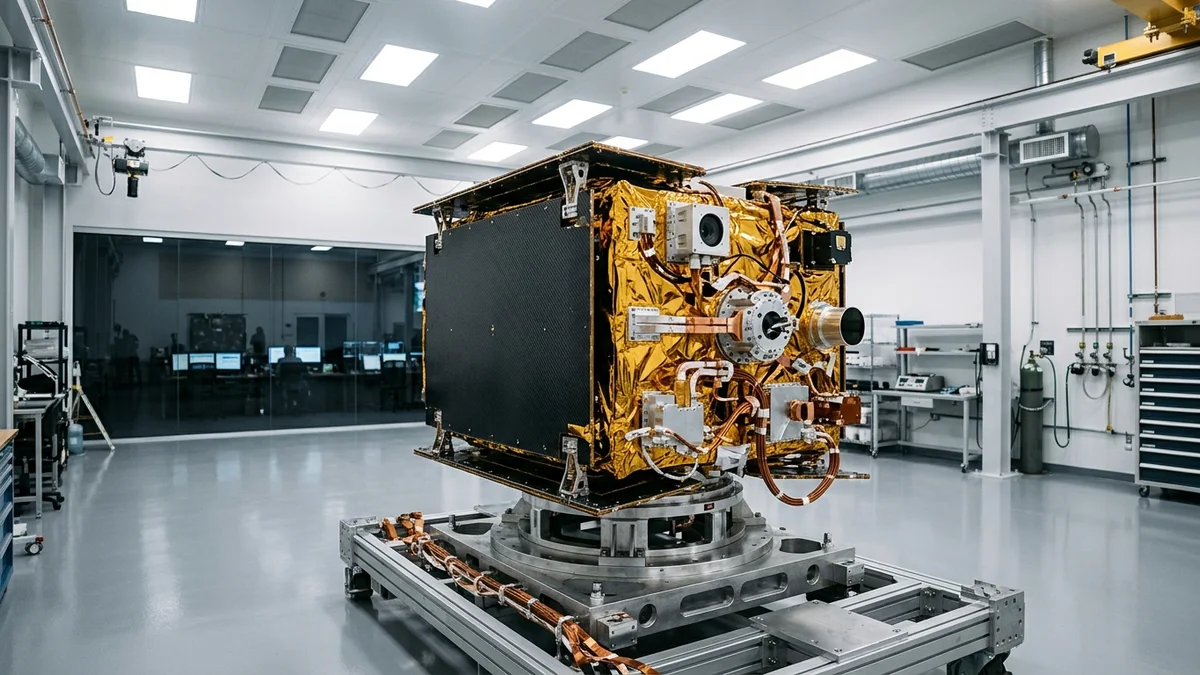
NASA Adjusts Hiring With State Workforce Hubs and Term Appointments
The U.S. space workforce is navigating competing pressures in 2026: private launch cadence and satellite manufacturing continue to grow, while federal budget adjustments and civil-service staffing reductions documented by the Government Accountability Office (GAO) strained major Artemis and infrastructure timelines.
In response, NASA rolled out two distinct pipeline mechanisms. First, the agency launched its State Hubs for Skilled Technical Workforce initiative in late 2026, aligning public colleges, state workforce agencies, and regional aerospace suppliers across hubs such as California, Colorado, Florida, and Texas. Second, NASA introduced targeted term-hiring programs ("NASA Force") bringing early- and mid-career technologists onto 1-to-2-year assignments supporting deep-space logistics, lunar surface operations, and propulsion systems.
Commercial Space and Space Force Drive Specialized Skill Demand
Outside NASA, commercial launch providers, Earth-observation constellations, and defense contractors supporting U.S. Space Force Space Systems Command (SSC) remain in a sustained talent squeeze. Employers report the hardest-to-fill openings cluster in embedded flight software, mid-career systems engineering (5 to 15 years of flight-program experience), RF and satellite communications, liquid and electric propulsion, and space cyber defense.
Compliance and policy roles have also grown in importance. Defense and dual-use space employers cite persistent bottlenecks finding managers who combine mission-operations fluency with active security clearances and working knowledge of International Traffic in Arms Regulations (ITAR) export controls.
How Degree Candidates Position for Space-Sector Roles
Unlike remote software employers, most aerospace manufacturing, integration, test, and classified operations roles remain on-site near launch ranges, propulsion test stands, and defense installations. Online space studies master’s and certificate programs remain widely used by active-duty military personnel, defense contractors, and engineers transitioning from adjacent technical industries.
- Pair space policy or space studies coursework with concrete technical or operational skills—such as systems engineering, orbital mechanics, GIS/remote sensing, or SATCOM/cyber operations.
- Check whether a program’s faculty and capstone projects align with commercial space regulations, ITAR compliance, or defense acquisition frameworks.
- For veterans and service members, verify TA and GI Bill compatibility alongside space-focused defense contractor transition pathways.
Sources & Primary References
- NASA Office of STEM Engagement & Workforce Initiatives — National Aeronautics and Space Administration (NASA)
- U.S. Space Force Careers & Space Systems Command — United States Space Force
- Occupational Outlook Handbook: Aerospace Engineers — U.S. Bureau of Labor Statistics
Explore Related Resources
Compare accredited online and campus space studies degrees.
Explore mission operations, policy, and engineering roles.
BLS compensation benchmarks across aerospace specialties.
Filter programs by degree level and concentration.