National salary
What Is the Average Physicist Salary?
The BLS reports a $172,250 national median for physicists in May 2025. The mean is $171,180, but the median is the more useful midpoint because it is less sensitive to a smaller number of very high wages.
BLS estimates 20,430 jobs in this occupation. The 10th-to-90th-percentile spread is $82,110 to $274,110, a difference of $192,000. Employer, setting, specialty, location, and responsibility all sit inside that national range.
Percentiles describe where wages fall across the occupation. They do not assign a wage to a specific experience level.
What moves the number
What Affects a Physicist Salary?
Applied Versus Academic Setting
Research organizations, federal agencies, universities, and healthcare-related physics work sit in different employer markets.
Research Independence
A postdoctoral researcher, staff scientist, principal investigator, and manager do not carry the same project or funding responsibility.
Specialized Methods
Instrumentation, computation, data analysis, and work at specialized facilities can shape both the role and the employer pool.
Geography and Sector
State medians vary sharply. Employment counts show whether a figure describes a large market or a small cluster.
State comparison
Physicist Salary by State
The table lists the 10 states with the highest median salary beside each employment estimate, and the picker adds any other state. The job count matters: a high figure based on a small occupational market describes a different opportunity than a similar figure supported by thousands of jobs.
The largest state employment estimates for physicists are California (5,930 jobs), Illinois (1,590 jobs), and Maryland (1,200 jobs). Read those market sizes against the national estimate of 20,430 jobs before treating a state wage as a relocation signal.
| Rank | State | Median | 10th–90th percentile | Employment |
|---|---|---|---|---|
| 1 | Florida | $225,390 | $113,240–$308,580 | 340 |
| 2 | New Hampshire | $214,030 | $96,760–$301,570 | 30 |
| 3 | Pennsylvania | $210,990 | $88,300–$261,820 | 230 |
| 4 | California | $207,490 | $125,390–$296,740 | 5,930 |
| 5 | Oregon | $200,320 | $104,370–$315,910 | 90 |
| 6 | Oklahoma | $200,050 | $61,380–$249,780 | 40 |
| 7 | Texas | $184,040 | $69,960–$289,950 | 580 |
| 8 | New York | $181,970 | $80,000–$292,950 | 1,140 |
| 9 | Kentucky | $180,910 | $65,860–$282,000 | 50 |
| 10 | Connecticut | $180,300 | $104,750–$303,910 | 60 |
| 11 | Iowa | $178,110 | $83,830–$292,990 | 110 |
| 12 | Maryland | $174,390 | $105,560–$219,450 | 1,200 |
| 13 | North Carolina | $174,180 | $64,050–$256,860 | 150 |
| 14 | Wisconsin | $173,120 | $89,310–$291,910 | 180 |
| 15 | Minnesota | $171,220 | $131,870–$336,740 | 110 |
| 16 | Louisiana | $166,240 | $85,360–$214,090 | 40 |
| 17 | New Mexico | $165,340 | $120,720–$235,180 | 580 |
| 18 | Tennessee | $165,010 | $88,610–$239,850 | 240 |
| 19 | New Jersey | $163,270 | $100,490–$289,830 | 470 |
| 20 | Ohio | $162,900 | $64,860–$239,360 | 630 |
| 21 | District of Columbia | $157,040 | $86,820–$202,360 | 480 |
| 22 | Utah | $156,760 | $64,090–$258,690 | 30 |
| 23 | Nevada | $154,030 | $102,580–$220,070 | 50 |
| 24 | Virginia | $145,040 | $97,720–$238,570 | 940 |
| 25 | Georgia | $144,870 | $79,860–$288,170 | 160 |
| 26 | Missouri | $140,460 | $70,550–$276,590 | 90 |
| 27 | Alabama | $139,330 | $74,290–$227,790 | 280 |
| 28 | South Carolina | $138,400 | $106,510–$228,440 | 420 |
| 29 | Illinois | $137,140 | $81,830–$221,380 | 1,590 |
| 30 | Arkansas | $135,820 | $110,390–$214,000 | 60 |
| 31 | Washington | $134,790 | $77,860–$238,430 | 450 |
| 32 | Arizona | $130,500 | $102,160–$242,730 | 120 |
| 33 | Mississippi | $129,970 | $64,980–$219,440 | 80 |
| 34 | Hawaii | $117,190 | $77,190–$383,510 | 40 |
| 35 | Massachusetts | $106,410 | $82,050–$213,150 | 1,150 |
| 36 | Indiana | $105,940 | $64,000–$220,040 | 230 |
| 37 | Colorado | $104,580 | $82,340–$210,950 | 1,050 |
| 38 | Montana | $103,800 | $53,500–$237,520 | 30 |
| 39 | Michigan | $94,520 | $64,380–$248,500 | 510 |
| 40 | South Dakota | $83,050 | $53,910–$180,690 | 30 |
| 41 | Delaware | $82,590 | $64,570–$293,950 | 50 |
BLS OEWS, May 2025. Employment counts are estimates and may be rounded.
Degree context
How Education Connects to Physicist Pay
Research and academic physicist jobs typically require a Ph.D.; some entry-level federal physicist roles accept a physics bachelor’s degree.
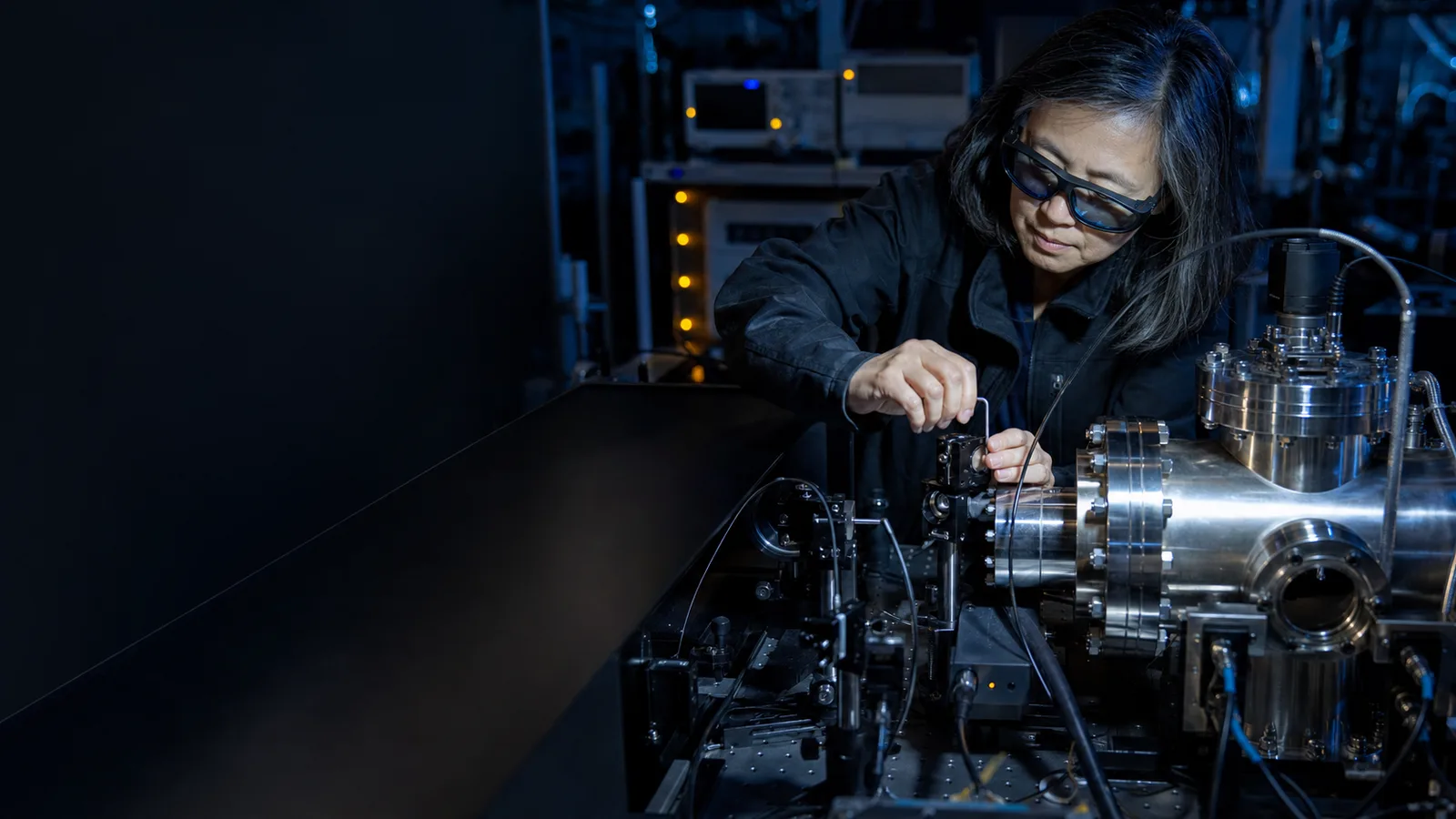
Physics work is not confined to a chalkboard. Experimental and applied physicists use laboratories, instruments, sensors, software, and research teams. Even theoretical work depends on computation, data, writing, and peer review.
The wage percentiles do not separate workers by degree or experience. Use the education requirement to decide whether the route is open to you, then use the state and national wage distributions to understand the market rather than treating one percentile as a personal forecast.
Career guide See how to become a physicist Pathway route · Doctoral degree for research and academiaWhere to study
Schools That Lead Here
Common questions
Physicist Salary FAQ
What Is the Median Physicist Salary?
What Is the National Physicist Salary Range?
How Many Physicists Does BLS Count?
Does the 10Th-Percentile Physicist Salary Mean Entry Level?
What Education Do Physicists Need?
Primary sources
Sources for Physicist Salary Data
- BLS Occupational Employment and Wage Statistics, May 2025 for the national distribution, state wages, and employment estimates.
- BLS Occupational Outlook Handbook: Physicists for education, duties, and work-setting context.
Wage records and occupation facts updated October 9, 2026.